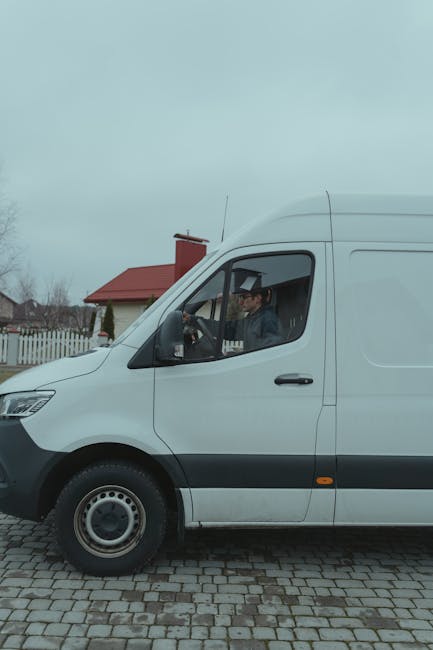
Essex Road flat removals tips for tight access: a practical guide for smoother London moves
Moving out of a flat on Essex Road can feel straightforward on paper, then suddenly a bit more complicated once you meet the reality of narrow staircases, shared hallways, awkward corners, and the sort of parking situation that makes everyone glance up and down the street twice. If you are looking for Essex Road flat removals tips for tight access, this guide is built for that exact problem. It focuses on what actually helps on moving day, not glossy theory.
The good news is that tight access does not have to mean a stressful move. With the right planning, sensible packing, and a removal team that understands London flats, you can keep things moving without blocking neighbours, damaging furniture, or losing half the day to avoidable delays. In our experience, the difference is often small details: how boxes are labelled, where the van waits, and whether the sofa has been measured properly before anyone starts lifting. Tiny things. Big payoff.
Below, you will find a step-by-step approach, practical examples, best-practice advice, and a clear checklist you can use before moving day. If you need a broader overview of local moving help, you can also explore flat removals in Islington, man with van services in Islington, and the wider services overview to see what fits your move.
Why Essex Road flat removals tips for tight access Matters
Essex Road, like much of inner London, is full of flats where access is never quite as easy as you hope. You may have a top-floor apartment, a basement flat with a narrow front path, or a building with a shared stairwell that turns every corner into a puzzle. That matters because removal day is not just about lifting boxes. It is about timing, coordination, parking, and avoiding damage in a space where there is very little room for error.
Tight access changes the whole shape of a move. A standard loading plan can fail if the van cannot park close enough, if the hallway is too tight for wardrobes, or if the lift is too small for a mattress. One missed detail can create a bottleneck, and bottlenecks are what make a move drag on. Nobody wants a crew standing in the stairwell while one person checks whether a sofa will tilt just enough to fit. It happens more often than people think.
That is why local experience matters. A team used to removals in Islington will usually plan differently from a crew that only handles wide suburban driveways. They will think about access routes, vehicle size, protective equipment, and how to keep things courteous for neighbours and building managers. Truth be told, this sort of thinking saves time and nerves.
There is also a trust element. When you are moving from a flat with awkward access, you need confidence that the people handling your belongings understand what can go wrong and how to prevent it. That includes safe lifting, careful wrapping, and realistic scheduling. If you are comparing providers, it is worth reviewing insurance and safety information as part of your decision-making. It is not the most glamorous part of moving, but it is one of the most important.
How Essex Road flat removals tips for tight access Works
The process starts long before the van arrives. A smart move is built on a simple sequence: assess, measure, prepare, pack, load, and then transport. Tight access affects every stage. If you skip the assessment, you are guessing. And guessing with a sofa, a fridge, or a heavy chest of drawers is not ideal, to put it mildly.
First, work out what access really looks like. That means checking staircase width, ceiling height, turning space on landings, front door clearance, and whether there are any awkward steps at entry points. If you have a shared building, think about communal rules too. Is the lift large enough? Is there a booking system? Are there time windows when you should avoid moving to keep disruption down?
Second, assess the van and the route. On a street like Essex Road, parking can be tight, and a larger vehicle is not always the best solution. A smaller vehicle or a man and van style setup may sometimes be more practical, especially if the access is difficult and loading needs to be done in stages. If you want a sense of those options, have a look at man and van services in Islington and removal van options.
Third, prepare items for narrow passageways. Flat-pack furniture is usually easier, but if something cannot be dismantled, it needs to be wrapped and measured properly. Large mirrors, glass tables, awkward wardrobes, and bulky beds often need a little extra planning. A good removal team will not simply try to force things through. They will look for the safest angle, use protection, and decide whether dismantling is the better choice.
That is the basic structure. Simple. Not always easy, but simple.
Key Benefits and Practical Advantages
Using a structured approach for tight-access flat removals brings several very real benefits. Most of them are practical, though the emotional benefit is not small either. Less chaos is a good thing. A calmer move is a better move.
- Less risk of damage: Planning measurements and access points reduces the chance of scraped walls, broken corners, or furniture getting stuck halfway down the stairs.
- Faster loading and unloading: When the route and furniture layout are thought through, the crew wastes less time figuring things out on the spot.
- Better protection for neighbours and communal spaces: Shared hallways, stair rails, and entrances are easier to keep tidy and undamaged when you prepare them in advance.
- Lower stress on moving day: You do not have to improvise every five minutes. That alone can make the day feel far more manageable.
- More accurate quotes: A detailed access description helps a provider give a quote that reflects the real work involved, rather than a hopeful guess.
There is also a broader value. A flat move with difficult access often involves more than the furniture itself. You may need packing support, temporary storage, or same-day turnaround if the timing is tight. That is where services like packing and boxes support and storage in Islington can make life much easier.
Who This Is For and When It Makes Sense
This kind of move is relevant to a lot of people, not just those on the top floor of an old building. If your flat has narrow internal doors, a courtyard with limited vehicle access, or a route that includes stairs, lifts, and a long walk from the van, these tips will help.
It makes especially good sense for:
- tenants leaving compact flats with shared access
- owners moving out of period conversions with tight staircases
- students or sharers with lots of boxes and not much storage space
- people moving bulky furniture from upper floors
- anyone working to a narrow schedule, such as a completion day or tenancy handover
If you are moving from a property in or around Angel or Upper Street, access planning becomes even more relevant because parking and building layouts can be awkward. The local insight in this Upper Street moving guide is useful if your route crosses similar central Islington streets.
It is also worth saying: if your move is not actually tight access, you may not need this much preparation. But if you are even slightly unsure, plan as if access will be difficult. That way you are rarely caught out.
Step-by-Step Guidance
Here is the practical version. Not the polished brochure version. The one that helps on a wet Tuesday when the lift is occupied and the van is waiting two doors away.
- Measure the awkward bits first. Check door widths, stair turns, hallway widths, lift dimensions, and any low ceilings. Measure the biggest items too, especially sofas, beds, wardrobes, and white goods.
- Walk the route from flat to van. Do not just guess from memory. Actually go from the room, through the hall, down the stairs, and out to the road. You will spot things you forgot about, like a tight bannister or an extra step at the entrance.
- Decide what should be dismantled. Beds, tables, shelving, and some wardrobes move far more safely in pieces. Keep screws and fittings in labelled bags. A little envelope taped to the correct panel works fine.
- Pack with movement in mind. Use smaller boxes for books and heavy items. Overpacked boxes are a pain in narrow stairwells. They are harder to carry and more likely to split. Nobody needs that drama.
- Reserve space for loading. Where possible, arrange parking or loading access in advance. If you live on a busy road, a short loading window can make all the difference.
- Protect the route. Floor coverings, door protectors, and blankets can help prevent scuffs and knocks. In shared buildings, this is often appreciated, and sometimes expected.
- Load the van strategically. Put heavier, stable pieces in first and fill around them with smaller items. Keep essentials accessible if you will need them first at the other end.
- Do a final sweep. Check cupboards, balcony spaces, under beds, and high shelves. In a busy move, one little thing gets left behind easily. It happens.
If you want to combine this with a more general moving service, furniture removals in Islington is a sensible starting point for bulky household items, while house removals can be helpful if your flat move is part of a bigger relocation.
Expert Tips for Better Results
A few small adjustments can make a genuinely big difference. These are the kind of details people often skip right up until moving day, then wish they had not.
1. Treat corners as the main problem, not just the door
Most difficult moves are not blocked by the front door itself. They stall at the turn in the stairwell or the bend in a narrow hallway. So measure turning space, not just width. A piece of furniture may fit through a doorway but still fail at the landing.
2. Use smaller boxes than you think you need
Large boxes look efficient, but on stairs they are clumsy. Smaller boxes are easier to grip, safer to stack, and less likely to crush at the bottom. Books, crockery, and mixed bits of household clutter should almost always be split up. Your back will thank you later.
3. Keep a "first night" bag separate
With tight access, unloading can take longer than expected. Keep essentials apart: kettle, chargers, medication, toiletries, a change of clothes, and maybe something for breakfast. On a cold evening, the ability to make tea quickly can feel strangely heroic.
4. Photograph awkward items before dismantling them
It is a simple trick, but very useful. A quick photo of shelving, bed frames, or cable arrangements makes reassembly much less annoying. Saves arguments too. Well, fewer arguments.
5. Be honest about access when booking
If the stairwell is narrow, say so. If parking is limited, say so. If there is a lift but it is small, say so. The more accurate the information, the better the plan. This is one of the main reasons people check pricing and quotes early rather than leaving it to the last minute.
6. Choose timing carefully
Morning moves can sometimes be smoother because shared access is quieter and parking may be easier before the street fills up. That said, every road is different. A 10-minute delay in one building can snowball. So build in a little margin. Not a huge buffer, just enough to breathe.
For a broader sense of how local moving services are presented, the removal services page is worth reviewing alongside the core service pages.
Common Mistakes to Avoid
Most access problems are not caused by one dramatic failure. They come from several small oversights lining up together. A bit like traffic on Essex Road on a busy afternoon. Fine, then suddenly not fine.
- Guessing furniture sizes: People often measure the room and forget to measure the actual item. The wardrobe is the problem, not the bedroom.
- Ignoring stair turns: A straight staircase may look manageable, but one tight bend can make a large sofa impossible without tilting.
- Leaving packing too late: Loose items, half-sealed boxes, and overstuffed bags slow everything down and make carrying unsafe.
- Assuming the van can park anywhere: Urban streets do not always cooperate. If access to the kerb is limited, loading times increase.
- Forgetting building rules: Some blocks have quiet hours, booking procedures, or requirements for lift protection. Check early.
- Not protecting shared spaces: Scratching a painted wall in a common hallway is easily avoided with a bit of care.
There is also a communication mistake people make: they under-explain the move because they do not want to sound difficult. But being clear is not being difficult. It is just sensible. If the access is tight, say it plainly. Good removal teams would rather know now than discover it at the doorway.
Tools, Resources and Recommendations
You do not need a van full of specialist kit for every flat move, but a few practical tools make tight access much easier to handle.
| Tool or resource | Why it helps | Best used for |
|---|---|---|
| Measuring tape | Checks furniture, doors, and stair turns accurately | Planning difficult items before moving day |
| Furniture blankets | Helps prevent scuffs and impact damage | Sofas, tables, wardrobes, and door frames |
| Stretch wrap | Keeps drawers shut and protects surfaces | Chests, shelves, and grouped household items |
| Door and floor protection | Reduces wear in tight communal spaces | Shared hallways, entrances, and landings |
| Labelled boxes and bags | Makes unloading and reassembly less chaotic | Every room, especially kitchens and bedrooms |
For packing supplies, the dedicated packing and boxes page can help you plan the right materials. If you are moving with a smaller team or need a flexible, practical setup, a man with a van in Islington is often a good fit for compact flat moves with awkward access.
If the move is urgent and timing is tight, you may also want to consider same-day removals in Islington. Not every move can wait, and sometimes that is just life. A bit messy, but manageable.
Law, Compliance, Standards, or Best Practice
Flat removals with tight access are not usually about heavy legal complexity, but there are still sensible standards and responsibilities to keep in mind. The main one is simple: move safely, avoid unnecessary damage, and respect shared spaces and local rules.
If you live in a leasehold building or managed block, there may be building-specific moving conditions. These can include lift booking, protective coverings, time restrictions, or instructions for contractors. Always check with the managing agent or building representative before moving day. It is boring admin, admittedly, but it saves headaches later.
From a safety perspective, good practice in the removals industry normally includes appropriate lifting methods, secure loading, and protecting both people and property. That may sound obvious, but in tight spaces it becomes much more important. A narrow staircase is not the place to rush a heavy item or twist it awkwardly. A careful pace is faster than a damaged wall.
Insurance is another key consideration. It is sensible to confirm what is covered for transit, handling, and accidental damage before the job starts. If something matters greatly to you, ask about protection early rather than assuming it is included. A clear conversation now is better than a difficult one later.
You can also review a provider's trust pages, such as health and safety policy and terms and conditions, to understand how they work. For privacy and payment reassurance, the site's payment and security information may also be useful.
Options, Methods, or Comparison Table
There is more than one way to handle a flat move with difficult access. The right method depends on how much furniture you have, how tight the access is, and how quickly you need everything done.
| Method | Best for | Pros | Trade-offs |
|---|---|---|---|
| Full removal service | Larger flats, more furniture, less time to manage the move | More hands, more coordination, less lifting on your part | Usually costs more than a small van-only move |
| Man and van | Smaller flats, lighter loads, flexible access conditions | Practical, often efficient, good for awkward parking | May require more self-packing and preparation |
| Partial support | When you only need help with heavy items or transport | Good balance of cost and convenience | You still need to manage some parts yourself |
| Storage plus staged move | When access, timing, or completion dates are uncertain | Less pressure, more flexibility | Needs extra planning and usually extra cost |
There is no single "best" option for everyone. A student studio with a few boxes is a very different job from a two-bedroom flat with a dining table, a wardrobe, and a piano. Yes, pianos deserve their own respect. If that is part of your move, consider piano removals in Islington rather than treating it like a standard box.
Case Study or Real-World Example
Picture a typical Essex Road flat move. Third-floor flat, narrow staircase, one medium sofa, a bed frame, two bookcases, a small dining table, and a collection of boxes that started out neatly packed and then somehow multiplied by Friday evening.
The first issue is parking. The van cannot sit right outside for long, so the load has to be organised in a way that lets the heaviest pieces go in first and the lighter boxes follow quickly. The second issue is the staircase, which has one awkward turn halfway down. The sofa, if carried upright, catches the wall. If carried flat, it hits the banister. The solution is usually to rotate, pad, and move slowly with two people guiding while another checks the angle. Nothing fancy. Just patience and a bit of planning.
In that kind of move, the most useful prep was not a special tool. It was measuring the sofa, dismantling the bed frame the night before, and setting aside the first night essentials in one clearly labelled bag. That meant fewer pauses and less standing around in the hallway trying to remember where the screws went. A small win, but one that changes the feel of the whole day.
That sort of practical preparation is also why some people choose to combine moving help with temporary storage in Islington. If access is tight and completion timings are uncertain, storing a few bulky items can make the process much calmer.
Practical Checklist
Use this before moving day. Keep it near the kettle, because you will probably check it more than once.
- Measure doors, stair turns, hallways, and your largest furniture items
- Confirm parking, loading access, and any building restrictions
- Decide which items should be dismantled
- Pack heavy items into smaller boxes
- Label boxes by room and priority
- Protect floors, walls, and door frames where needed
- Separate the essentials bag for the first 24 hours
- Tell the removal team about any particularly tight access points
- Check insurance, payment, and service terms in advance
- Do one final sweep of cupboards, loft spaces, balconies, and under beds
Expert summary: The easiest way to manage a tight-access flat move is to reduce uncertainty. Measure honestly, communicate early, dismantle what you can, and keep the load simple. It is rarely the biggest item that causes the most trouble; it is usually the item nobody bothered to check properly.
Conclusion
Essex Road flat removals with tight access are much easier to handle when you plan for the street, the building, and the furniture rather than just the date on the calendar. The right preparation turns a difficult move into a manageable one, and often a surprisingly smooth one. You do not need to overcomplicate it. Just be realistic, organised, and a bit ruthless with measurements.
Whether you are moving from a compact studio or a larger flat with awkward shared access, the basics stay the same: protect the route, pack sensibly, think through the van access, and choose support that understands local conditions. If you want a broader view of the team behind the service, you can read about us or get in touch through the contact page to talk through your move properly.
Get a free quote today and see how much you can save.
And if all of this feels like a lot, that is normal. Moving is messy in a very ordinary way. But with the right plan, it becomes one of those jobs you can actually get through with a steady breath and a proper cup of tea at the end.
Frequently Asked Questions
What is the biggest challenge with flat removals on Essex Road?
The biggest challenge is usually access rather than distance. Narrow staircases, limited parking, shared entrances, and awkward turns can slow everything down more than the move itself.
How do I know if my furniture will fit through tight access?
Measure the furniture, then measure the route. Check door widths, stair turns, and hallway space. If something looks borderline, assume it may need dismantling or extra handling.
Should I dismantle furniture before a flat move?
Yes, where practical. Beds, tables, shelves, and some wardrobes are often easier and safer to move in pieces. Just keep fittings organised in labelled bags.
Do I need a larger van for a tight-access flat move?
Not always. In some cases, a smaller or more flexible vehicle is easier because it can access the street and load more efficiently. The best choice depends on your items and the road layout.
How far in advance should I book removals for Essex Road?
As early as you can, especially if your move needs parking coordination or has a fixed handover date. Earlier booking usually gives more choice and less last-minute pressure.
Can I move on the same day if access is difficult?
Sometimes, yes. If the load is manageable and the provider offers flexible scheduling, same-day removals can work. For more urgent jobs, same-day removals in Islington may be worth checking.
What should I tell the removal company before moving day?
Be specific about staircases, lifts, parking, floor level, large items, and any restrictions in the building. The clearer you are, the better the plan will be.
Is storage useful for a tight-access flat move?
Yes, especially if your completion date is uncertain or if you have bulky furniture that is difficult to move all at once. Temporary storage can make the move much less pressured.
What packing materials help most with tight access?
Small sturdy boxes, furniture blankets, stretch wrap, and strong tape are usually the most useful. Smaller boxes are easier to carry on stairs and less likely to split.
How can I protect walls and common areas in the building?
Use blankets or protective coverings where possible, move carefully around corners, and avoid dragging items. In shared buildings, this is not just polite; it helps prevent accidental damage.
Are man and van services suitable for compact flats?
Often, yes. They can be a practical choice for smaller flat moves, especially when parking is tight or you only need transport and loading support. You can compare options on the man and van page.
What if I have a particularly heavy or awkward item?
Tell the team in advance. Items like pianos, large wardrobes, or oversized furniture may need specialist handling. It is better to plan for the awkward piece than discover the problem halfway down the staircase.
How do I make moving day less stressful overall?
Keep essentials separate, label boxes clearly, confirm access details early, and avoid overpacking. A calm plan, even a simple one, makes a big difference when the day gets busy.