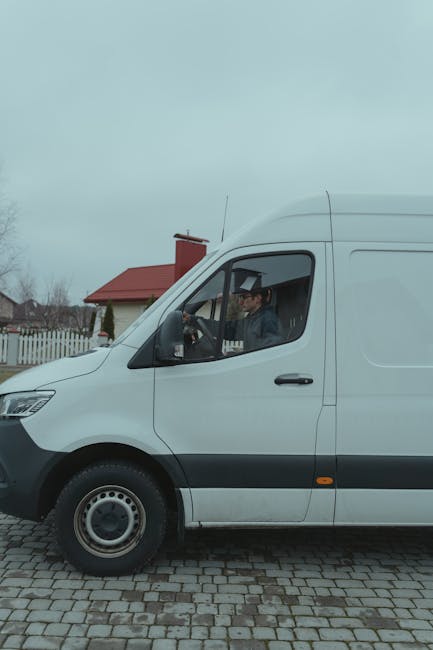
Man With Van in Islington

Man With Van Islington provides a practical removals service for home and business customers who need items moved with care, steady handling and straightforward planning. The core offer suits smaller relocations, individual bulky pieces, partial loads and local transport where a full lorry would be unnecessary. It is built around flexible loading, careful positioning and sensible timing, so the work stays focused on getting possessions from one place to another safely.
Our service can support flat moves, student moves, furniture transport, collection and delivery jobs, and straightforward office relocations. When the load is modest or the access is awkward, a man and van arrangement can be a better fit than a larger removals setup. It gives you a moving vehicle and practical help without overcomplicating the job, which can make the process easier to organise and easier to budget for.
If you are comparing options, use the sections below to see which moving tasks suit this service best. You can also request a quotation once you know what needs to be moved, where it is going and what the access is like. That helps turn a general moving need into a clear, workable plan.
House moves and smaller domestic removals
For domestic work, a man with van arrangement is often used for one-bedroom flats, studio clearances, shared homes and partial house moves where only selected furniture needs to travel. It is also well suited to customers moving between nearby streets, where the job is less about volume and more about keeping fragile items, awkward furniture and everyday boxes properly managed during loading and unloading.
These moves usually benefit from careful sequencing: lighter items first, then larger furniture, then anything that needs extra wrapping or positioning. That approach reduces handling and helps keep the van space efficient. If you need a bed frame, sofa, wardrobe or similar piece moved alongside boxed belongings, the service can be shaped around those items without requiring a larger operation than necessary.
For a domestic move, it helps to think through the main pieces, the number of floors involved and whether any items need to be dismantled or protected before they travel. A clear description of the load is usually enough to start. If you are ready to move ahead, make your enquiry in plain terms and ask for a quote that matches the actual work.
Furniture transport and item collection

Furniture transport is one of the most natural uses of a man and van service, especially for items bought second-hand, moved between properties or delivered from one address to another. Sofas, tables, chests of drawers, desks and beds all need steady lifting and good positioning in the vehicle. The service is designed to keep those movements manageable without turning them into a full-scale house removal.
When a single item is involved, timing and access often matter more than quantity. A heavy item may need two people, a clear route from room to van and, in some cases, basic dismantling before loading. The benefit of a dedicated moving van is that the transport stage is organised around the item itself rather than squeezed into a general courier model that may not suit bulky household goods.
Collections from retailers, private sellers or storage locations can be arranged in the same practical way. It is sensible to note the dimensions of the piece, whether it can be carried upstairs or downstairs, and whether there are any narrow turns, lifts or parking limitations. With that information, the job can be planned more precisely and the quotation can reflect the real handling involved.
Packing, handling and preparation for moving day
Packing matters because well-prepared goods are easier to load, safer to stack and less likely to shift during transit. Boxes should be sealed properly, breakables should be cushioned, and loose items should be kept together rather than spread across several containers. For a man with van move, the packing stage often has a direct effect on how smoothly the day runs, especially when the vehicle needs to be loaded efficiently.
The service can also work alongside dismantling or reassembly where furniture is too large to travel intact. A bed base, shelving unit or table may be easier to move if it has been reduced into smaller parts. If you are not sure what should be taken apart before moving, list the items when you ask for a quotation and say which pieces are awkward, fragile or unusually heavy. Clear notes now save time later.
Useful preparation usually comes down to a few practical steps:
- Group the items that must travel together.
- Label boxes for the rooms or areas they belong to.
- Set aside anything that needs special wrapping or handling.
- Check whether access routes are clear for lifting and carrying.
- Keep parking, entrance or loading details ready for the quote request.
Office moves and business transport

Commercial customers often need a moving service that can handle desks, chairs, office storage, small equipment and packed files without interrupting work more than necessary. A man with van setup can be a good fit for small office relocations, room-to-room transfers, archive moves and the delivery of business furniture to a new address. The work may be smaller in scale than a commercial lorry move, but it still benefits from good order and careful handling.
Office relocation is rarely just about carrying objects from one place to another. Items may need to be labelled, loaded in a particular sequence or kept separate so that setup is quicker at the destination. When computers, paperwork or specialist equipment are involved, it is sensible to identify what needs extra protection before the move begins. That helps the job stay practical and reduces the chance of delay when equipment has to be placed exactly where it belongs.
If your business move is limited to a few rooms or a small premises, a clear list of furniture and boxes is usually enough to start the conversation. You can then ask for pricing based on the amount to move, the access at each site and any additional tasks such as dismantling or careful positioning. Office removals can be discussed in more detail when the move involves a fuller workplace layout.
Local routes, access and vehicle choice
Choosing a man with van service is often about matching the vehicle to the job. For some moves, a smaller van is easier to park and easier to load in tighter streets. For others, a larger moving van may be more suitable if the load includes several pieces of furniture and numerous boxes. The right choice depends on what is actually being moved rather than on a one-size-fits-all assumption.
Access is equally important. Stairs, narrow hallways, tight corners, basement storage and limited parking can all influence how the job is handled. Rather than assuming the loading point will be simple, it is better to describe the route from door to vehicle and from vehicle to door. That allows the moving plan to be built around the real conditions, not just the item list.
If you are weighing up vehicle options, compare the job against the space available and the amount of handling each item needs. Some jobs are straightforward and only require efficient loading. Others need more patience because of awkward access or large pieces. Either way, giving accurate details early makes it easier to request a sensible quotation and choose the most appropriate moving setup.
About Islington
Islington is a district in north London with a long urban history shaped by its position just outside the old City boundary. Once a rural and semi-rural settlement, it developed over time into a densely built inner-London area with layers of Georgian, Victorian and later architecture. Its street pattern reflects that growth, with terraces, squares and mixed-use roads sitting alongside newer developments. Among the most recognisable places in the area is the Regent’s Canal, which runs through part of Islington and forms a distinctive water corridor lined with bridges, towpaths and converted buildings. The canal is one of several elements that give the district its particular character, along with garden squares, former industrial sites and busy high streets.
Pricing factors and quotation details

Quotation requests are usually clearer when they focus on the main pricing factors rather than a vague moving date. The size of the load, the distance travelled, the amount of lifting involved and the access at each end are all relevant. So are awkward items, dismantling needs and any waiting time that may be built into the job. Those details help produce a quotation that reflects the real work, not just a rough guess.
It is often helpful to note whether the move is one-way, return-based or part of a larger day of transport. A simple furniture collection may involve only the collection point and the delivery address, while a small house move can include packing, loading, travel and placement in several rooms. Because the job types vary, the best quote is usually the one built from a practical description of the items and the access rather than from a general assumption about how much a move might cost.
When you are ready, send the key facts in one message: what is moving, where it is going and whether there are any access concerns. That is enough to begin a quotation. If the load changes later, it is better to update the details early so the plan stays aligned with the actual work.
Storage runs, delivery jobs and flexible transport
Some customers need transport without a full domestic or office move. A man with van service can cover trips to or from storage units, deliveries between properties, marketplace purchases, and the movement of items that have been waiting in one place for a while. These jobs are often best handled by a vehicle and loader combination that can adapt to mixed items, odd dimensions and short-notice transport needs.
Removal services can include these smaller transport tasks when they are not part of a complete relocation. What matters is the practical outcome: the right items collected, the route managed sensibly and the delivery completed without unnecessary complication. Because the service can be used for different kinds of loads, it is useful to separate boxed goods from furniture and to point out anything that should be carried upright or handled carefully.
Transport work also benefits from good timing. If an item must be collected during a narrow window or delivered to a location with limited access, that should be included in the request. The more exact the instructions, the easier it is to confirm whether the job suits a man and van setup and to prepare a quotation that fits the actual route and handling demands.
Moving options for homes and businesses
Not every customer needs the same moving structure. Some prefer a straightforward collection and delivery, while others want help with the full load, furniture placement and careful unloading at the destination. A man with van service can sit between courier-style transport and larger removals work, which makes it useful for jobs that are too bulky for parcel delivery but too small to justify a major move vehicle.
For household customers, that middle ground can be especially useful during downsizing, a room move or a short relocation across town. For businesses, it can support phased moves, equipment transfers and furniture changes without requiring a full-day removal programme unless the job genuinely warrants it. The important point is to match the service to the load, not the other way round. Practical matching keeps the plan tidy and the move easier to manage.
To make a good choice, look at the items first, then consider access, distance and the amount of help you need at each stage. If your job involves only a few large pieces, a man and van can often be the neatest option. If the move is broader, the service can still be a starting point for discussing how the transport should be arranged.
Request a quotation for your move

When you are ready to ask for a price, it helps to present the move in clear, usable terms. Include the property type, the main items, the address-to-address route and any access notes such as stairs, narrow entry points or restricted parking. If there are pieces that need wrapping, dismantling or special handling, mention them in the same message so the quotation can be based on the real workload rather than a rough estimate.
For many customers, a short written summary is enough to get started, especially when the move is local and the load is straightforward. If there are several parts to the job, group them by room or by type of item so nothing gets missed. Then compare the response against what actually needs to be moved and decide whether the service arrangement suits the timing and scale of your plan. Contact us to request a quotation when you are ready.
If you want a simple, organised way to move furniture, boxes or business items in Islington, this service provides a practical place to begin. Use the request stage to clarify the load, and the moving stage to keep everything handled with care.