Office Relocation Services in Islington
If you are planning a move and need Office Relocation Services in Islington, you are probably looking for a team that understands more than just lifting boxes. A business move in this part of North London often involves tight access, busy roads, shared entrances, stairwells, loading restrictions, and the need to keep disruption low for staff, clients, and neighbours. Whether you are relocating a small studio near Angel, moving a growing team in Upper Street, or shifting a larger office close to King’s Cross or Finsbury Park, the right support can make the process smoother, safer, and far less stressful.
Islington has a mix of modern office spaces, converted buildings, co-working environments, and traditional commercial premises. That variety is exactly why local knowledge matters. A move in a purpose-built office block will not be handled the same way as a relocation from a period property, a shared workspace, or a floor in a building with limited lift access. Businesses here often need careful planning around building management rules, parking, and timing, as well as practical help with dismantling furniture, moving IT equipment, and getting everything back up and running quickly.
This page is designed for real customers who need a reliable local office move. It explains what is typically included, how the service works, what affects the cost, and why choosing a local team for office relocation in Islington can save time and reduce disruption. If you are preparing for a move and want to keep your business running with minimal downtime, contact us today to discuss your requirements and request a free quote.
Why Local Knowledge Matters for an Office Move in Islington

Office moves in Islington often come with practical challenges that are easier to manage when the crew knows the area well. Narrow streets, controlled parking zones, one-way routes, and busy daytime traffic can all affect how a move is scheduled and carried out. A local service can plan around these conditions and help avoid the delays that can happen when a move is treated like any other collection or delivery.
In places such as Angel, Highbury, Clerkenwell borders, Canonbury, Barnsbury, and around the busy corridors near Upper Street and Essex Road, access planning can be just as important as the actual lifting. Businesses may need timed arrivals, discreet entry, lift bookings, or coordination with building management. A team experienced in office relocation services in Islington will usually factor these details in from the start, rather than treating them as last-minute problems.
Local familiarity is also helpful for residential-style office settings, especially for smaller firms working from converted townhouses, live-work spaces, or upper floors with shared entrances. These buildings often have limited space for staging, parking, and unloading. When you work with a local office removals team, you are more likely to get a move plan that respects the building layout, the neighbourhood, and the schedule of other occupants.
What Office Relocation Services Typically Include
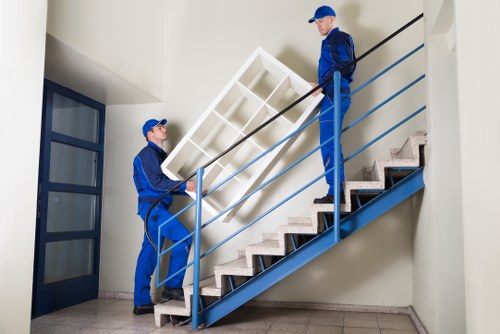
Every business move is different, but most office relocation services are built around a core set of tasks designed to reduce downtime and protect your equipment. For Islington businesses, the service may be tailored to suit a single-floor office, a multi-level premises, or a phased move where different departments relocate at different times.
Typical office moving support may include:
- Pre-move planning and move-day scheduling
- Packing of documents, equipment, and office supplies
- Disassembly and reassembly of desks, shelving, and workstations
- Safe handling of IT equipment, monitors, printers, and peripherals
- Transport of furniture, archive boxes, and business items
- Labelling systems to help staff settle in quickly
- Placement of items in the correct rooms or zones at the new site
- Optional help with specialist or fragile items, depending on the job
Some companies also need support with internal moves, such as reshuffling teams within the same building, clearing a floor for refurbishment, or moving a back-office function to another branch. In those cases, the same planning skills still matter. A well-organised relocation service helps reduce confusion and lets staff return to normal work sooner.
Types of Businesses We Help in Islington

Islington is home to a wide range of businesses, and that diversity shapes the kind of office removals support people need. A small creative agency has different priorities from a legal practice, a medical office, a tech startup, or a charity with sensitive records and shared equipment. The right moving team should be able to adapt to the pace, size, and working style of the business.
We commonly support:
- Startups moving from co-working spaces into their first dedicated office
- Creative studios with specialist furniture, screens, and storage systems
- Professional services firms handling files, archives, and secure documents
- Retail office teams relocating admin or head-office functions
- Charities and non-profits needing careful handling of records and equipment
- Established SMEs expanding to larger premises
- Remote-first businesses setting up collaborative spaces or hybrid offices
Because many workplaces in Islington are based in mixed-use buildings or converted properties, no two moves are quite the same. A good relocation team will ask the right questions about access, furniture, deadlines, IT setup, and building rules before the move begins. That kind of preparation is especially valuable when there is a fixed handover date or a narrow window for moving between leases.
How the Office Relocation Process Works
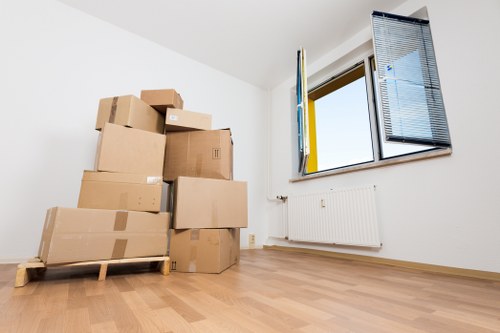
A successful office move is usually the result of careful preparation rather than speed alone. The process should be clear, structured, and easy for your team to follow. If you are arranging office relocation services in Islington, it helps to know what normally happens from the first enquiry through to the final placement of furniture and equipment.
Most office relocations follow these stages:
- Initial discussion – You explain the size of the office, the items involved, the building access, and the move date.
- Survey or assessment – The moving team reviews what needs to be transported and identifies any access or handling issues.
- Planning – A schedule is built around your working hours, building rules, and any loading restrictions.
- Packing and labelling – Office items are organised so the new space can be set up efficiently.
- Moving day – Furniture, equipment, and boxes are loaded, transported, and delivered to the new premises.
- Unloading and placement – Items are placed in the right rooms or work areas as agreed.
- Reassembly and final checks – Desks and fittings are put back together, and the team checks that everything is where it should be.
For many businesses, the biggest value is not just the transport itself, but the organisation around the move. When everything is labelled correctly and the route is planned well, staff can return to work more quickly and with less confusion.
Preparing Your Team and Premises for Relocation

Preparation is one of the most important parts of any office move. Even with an experienced mover, the process goes more smoothly when the business takes time to sort documents, notify staff, and plan how items will be packed and unpacked. In a busy area like Islington, where timing and access can matter so much, good preparation can also help avoid rushed decisions on the day.
Here is a practical checklist to consider before your move:
- Confirm the move date and any access times with your building manager
- Identify which items will be moved, stored, recycled, or left behind
- Back up important digital data before equipment is unplugged
- Label desks, boxes, and shared equipment clearly
- Tell staff what they need to pack personally and what the movers will handle
- Make sure fragile or confidential items are separated and marked
- Arrange parking or loading permissions if required
- Prepare floor plans for the new office, if you want items placed in specific rooms
It also helps to nominate one person from your team to be the main contact on move day. That way, any last-minute questions about furniture positions, access, or IT placement can be answered quickly. A little organisation before the move can save a great deal of stress later.
For businesses with sensitive information, secure document handling should be part of the conversation from the start. If you have archived files, hard-copy records, or equipment that should not be mixed with general office contents, ask about separate labelling and controlled handling options.
What Affects the Cost of an Office Move?
Customers often want to know what influences the price of office relocation services, and the honest answer is that it depends on several practical factors. No two offices are the same, so quoting usually reflects the size of the move, the distance involved, the level of access, and the amount of labour needed.
Common pricing factors include:
- The size of the office and number of items to be moved
- Whether packing materials and packing labour are required
- Distance between the current and new premises
- Access conditions, including stairs, lifts, loading bays, and parking
- The need to dismantle and reassemble furniture
- Specialist handling for IT, fragile items, or filing systems
- Move timing, such as out-of-hours or weekend relocation
- Any additional clearance, disposal, or storage requirements
In Islington, access can make a noticeable difference to the overall workload. A ground-floor office with convenient loading is much easier to move than an upper-floor workspace in a busy street with restricted stopping. That is why accurate information at the enquiry stage helps produce a more realistic quote and a better move plan.
If you want clarity before committing, request a free quote and share as much detail as possible about the premises, the items involved, and the timing of the move. The more accurate the information, the easier it is to plan sensibly.
Why Businesses Choose a Local Company for Office Relocation in Islington
Many businesses prefer a local company because it often means better responsiveness, better route knowledge, and a service that is easier to coordinate around the realities of North London. When a move is local, the team can often carry out surveys, site checks, and planning more efficiently than a provider coming from far outside the area.
There are several practical advantages to working with a local team:
- Familiarity with Islington streets, traffic patterns, and access limitations
- Better understanding of building types, from modern offices to older conversions
- More flexible planning for short-notice changes
- Shorter travel time to and from the premises
- Easier coordination for phased moves or multiple site visits
- Greater awareness of local parking and loading considerations
Local knowledge is particularly useful in areas where businesses share buildings with other tenants or where access must be coordinated carefully with residents, reception staff, or property managers. A team that has handled relocations in and around Islington will be more likely to anticipate the small details that can slow a move down.
In short, a local office removals service is not just about distance. It is about understanding how the area works and planning a move that fits the realities of the building and the neighbourhood.
Areas Covered Around Islington
Office relocation support in Islington often extends across nearby districts and adjoining business areas. Depending on the move, this may include:
- Angel
- Upper Street
- Highbury
- Canonbury
- Barnsbury
- Clerkenwell borders
- Essex Road
- Finsbury Park edges
- King’s Cross nearby commercial areas
- De Beauvoir and neighbouring North London business zones
Many companies in these areas work from offices inside mixed-use developments, restored terraces, modern blocks, and shared commercial spaces. That means access conditions can change from one street to the next, and a flexible moving approach is often the best fit.
Handling Office Furniture, IT, and Special Items
Office relocation is often about more than desks and chairs. Modern workplaces rely on equipment that must be handled with care so that work can resume with minimal interruption. Monitors, computers, printers, filing systems, whiteboards, meeting tables, and storage units all need the right packing and transport method.
When moving IT and technical equipment, it helps to think in terms of order and protection. Staff may prefer to disconnect and label their own devices, but a moving team can still assist with safe lifting, transport, and placement. Furniture such as boardroom tables, modular desks, and cabinets may need to be taken apart before moving and reassembled at the destination.
Special items may include:
- Servers and network hardware
- Confidential files and archive boxes
- Artwork or display material for client-facing spaces
- Specialist office furniture
- Large planters, screens, or reception fittings
If your office has equipment that should not be moved with general contents, make that clear in advance. The more specific the instructions, the smoother the handling on move day.
Minimising Downtime During the Move
For many businesses, the biggest concern is how long it will take to get back to normal after the move. The aim of a good relocation service is not just to transport your items, but to do so in a way that protects productivity. In a busy part of Islington, that might mean arranging the move outside office hours, phasing the relocation over more than one day, or prioritising departments that need to restart first.
Ways to reduce downtime include:
- Choosing an off-peak move time where possible
- Planning a clear labelling system before packing begins
- Separating essential items from non-essential storage
- Preparing the new office layout in advance
- Making sure IT and internet setup is addressed early
- Having staff assigned to unpack key workstations quickly
For some businesses, a phased move works best. This can be especially useful when teams need to stay operational throughout the process. A thoughtful approach helps reduce confusion and keeps the move from becoming a distraction.
Support for Residential and Commercial Properties
Islington includes a mix of commercial premises and properties where office use sits alongside residential living. That makes experience with both environments especially useful. Commercial office moves may involve loading bays, reception desks, and larger furniture items, while office relocation from smaller premises may require careful handling through shared hallways, staircases, and entrances used by residents or other tenants.
In both cases, the goal is to keep the move respectful, efficient, and well organised. Good movers will think about floor protection, noise, timing, and how to avoid disruption for neighbours or other building users. This is particularly important in older buildings and conversions where access is more limited than in a modern office complex.
If your move involves both business and domestic-style spaces, it helps to say so early. That way, the service can be planned around the building conditions instead of leaving access issues until the last minute.
What to Expect on Moving Day
Moving day should feel structured rather than chaotic. With proper planning, everyone should know what is being moved, who is responsible for which decisions, and where items are going at the new site. A professional move team will usually begin with a quick check of the premises, confirm access arrangements, and then start loading according to the agreed plan.
On the day, you can expect attention to practical matters such as:
- Safe lifting and carrying of heavy office items
- Protective handling of fragile or sensitive items
- Logical sequencing of loading and unloading
- Placing items in the correct rooms or zones
- Checking that larger items are reassembled where required
It is also helpful to keep a small essentials kit available for your team. This might include chargers, basic stationery, cleaning supplies, keys, and any documentation needed for the first day in the new office. Small details can make the first few hours in the new space much easier.
FAQs About Office Relocation Services in Islington
How far in advance should I book an office move?
It is best to book as early as possible, especially if your move date is tied to a lease end, refurbishment, or a specific handover deadline. Early booking gives time for planning, access checks, and any packing or dismantling that may be needed.
Can you move offices outside normal working hours?
Many businesses prefer evenings, weekends, or other off-peak times to reduce disruption. Availability can vary, so it is worth discussing your preferred schedule during the enquiry stage.
Do you help with packing and unpacking?
Office relocation services often include packing support, and unpacking may also be available depending on the job. If you want items placed in specific rooms or departments, mention that in advance so the team can plan accordingly.
Can fragile equipment and confidential files be handled carefully?
Yes, but the handling method should be agreed before the move. Sensitive documents, IT equipment, and fragile items may need separate packing, clear labelling, and specific placement instructions.
What if my office is in a building with difficult access?
That is common in Islington, especially in older buildings and mixed-use properties. Access challenges can usually be managed with good planning, but it is important to mention stairs, narrow corridors, lift restrictions, parking issues, and loading limitations early on.
Do you move small offices as well as larger workplaces?
Yes. Smaller offices, startups, and individual professional practices often need just as much care as bigger businesses, especially where equipment, files, and deadlines are involved.
Getting Started With Your Office Move
If your business is preparing to relocate in or around Islington, the best next step is to talk through the details early. A local moving team can help you think through the size of the job, the access arrangements, and the kind of support you need on the day. That might include packing, furniture handling, IT transport, or a phased relocation plan designed to reduce downtime.
Choosing the right office relocation services in Islington is about more than getting from one address to another. It is about protecting your time, your equipment, and your team’s ability to work without unnecessary disruption. With the right preparation and a practical local approach, your move can feel controlled and manageable instead of rushed.
Request a free quote, discuss your move requirements, and book your service now if you are ready to plan ahead. A clear conversation at the start often makes the whole process easier from beginning to end.