Recycling and Sustainability for Man With Van Islington
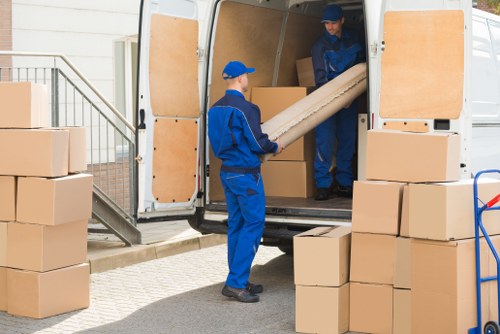 At Man With Van Islington, sustainability is built into everyday moving and transport work. Our approach to recycling in Islington focuses on reducing landfill use, improving sorting, and supporting a cleaner local environment. From household clear-outs to office relocations, our team aims to manage reusable and recyclable materials responsibly while keeping carbon emissions as low as possible.
We work with a practical recycling percentage target that helps measure how much of each job can be diverted away from waste disposal. Our goal is to keep at least 85% of suitable recyclable material out of general waste streams wherever conditions allow. This includes cardboard, paper, metals, wood, textiles, and certain plastics, as well as items that can be prepared for reuse rather than discarded. For a Man With Van in Islington, this means planning loads carefully and separating material at source.
In a borough like Islington, recycling habits are strongly shaped by local waste separation rules, and that local awareness helps us support better sorting on the move. Many homes and businesses already separate dry mixed recycling, food waste, and residual waste, so we can align our collection and disposal choices with the borough’s approach. By following those practices, our Islington man with a van recycling service can handle moving waste in a way that respects local requirements and encourages better material recovery.
 A key part of our sustainability work is the use of local transfer stations and nearby waste handling facilities. These facilities help consolidate material efficiently before it is directed to the right recycling or recovery route. Using transfer stations reduces unnecessary journeys and allows us to separate loads more effectively, especially after larger clearances where mixed materials may need sorting into different waste streams.
For many jobs, we separate recyclable materials into categories such as cardboard, light packaging, furniture wood, and scrap metal. This is especially useful after flat moves, office refurbishments, and student clearances, where packaging and dismantled items often make up a large proportion of the load. In keeping with borough-led separation standards, we also pay attention to items that need special handling, such as electronics, batteries, and small appliances, which should never be mixed with general waste.
Our team also supports reuse before recycling. Whenever suitable, items are set aside for donation or refurbishment rather than being processed as waste. That approach suits the fast-paced environment of recycling services in Islington, where many possessions still have life left in them. Reuse reduces disposal pressure, lowers demand for new materials, and supports a more circular local economy.
 We are proud to work in partnership with charities and community organisations that help pass on usable furniture, household goods, books, and office items. These partnerships are important because they turn removals into opportunities for social good. A chest of drawers, desk, or set of kitchenware may no longer be needed by one household, but it may still be valuable to another through charitable redistribution.
Our charity partnerships also help improve the environmental performance of our Man With Van Islington work by cutting down on the volume of material sent for disposal. Items that are clean, complete, and safe to reuse are prioritised for donation wherever possible. This supports a more responsible supply chain and helps reduce the overall carbon impact of every move, clearance, and delivery.
We also keep an eye on the types of recycling activity that are especially relevant to urban boroughs like Islington. That includes furniture dismantling for material recovery, cardboard flattening to improve sorting efficiency, and careful collection of mixed household recyclables after moves. Even simple steps, such as separating packaging film from paper and keeping metal fixings apart from timber, can make a meaningful difference in the recycling outcome.
Our fleet is designed with lower emissions in mind. The low-carbon vans we use help reduce the environmental footprint of local transport across North London. These vehicles are chosen for efficiency, reliable load capacity, and reduced fuel use compared with older, less efficient alternatives. For a busy Islington van service, this is an important way to keep operations practical while also making greener choices.
 A lower-carbon fleet works best when combined with smart route planning. By grouping jobs geographically and avoiding unnecessary mileage, we reduce congestion, fuel use, and idle time. This is particularly useful in central and inner-London areas where traffic patterns can affect emissions significantly. The result is a moving service that supports modern urban logistics without adding avoidable pressure to the environment.
We also encourage customers to think about sustainability before the move itself begins. Sorting items into keep, donate, recycle, and dispose categories makes it easier to match materials with the right destination. For households and businesses using recycling with Man With Van Islington, this approach can increase the proportion of recoverable material and make the process smoother from start to finish.
 Looking ahead, our sustainability commitment remains focused on measurable improvement. We want to keep increasing the recycling percentage target, strengthening charity partnerships, and using even more efficient vehicles as greener technology becomes available. Small changes across each job add up, especially in a borough where responsible sorting, reuse, and recycling are already part of daily life.
Man With Van Islington is committed to handling waste, reusable goods, and recyclable materials with care. Whether the task involves household clearance, office relocation, or a mixed load of packaging and furniture, our aim is always the same: reduce waste, recover useful materials, and support a cleaner Islington. By combining low-carbon vans, local transfer stations, and community reuse partnerships, our recycling and sustainability approach stays practical, local, and environmentally responsible.